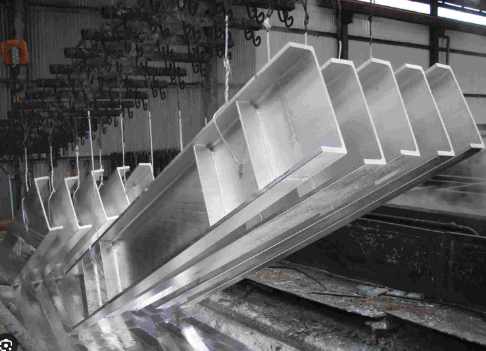
Infrastructure development across the United States continues to expand, requiring durable and long-lasting steel protection solutions that can withstand harsh environmental conditions. Engineers and project planners increasingly focus on corrosion resistance and structural longevity when selecting materials for bridges, highways, and industrial facilities. In this context, Northern California Galvanizing has become a key part of strengthening steel components used in large-scale infrastructure projects, helping ensure extended service life and reduced maintenance costs in demanding climates influenced by coastal air and varying weather conditions.
Importance of Galvanizing in Modern Infrastructure
Galvanizing is a widely used process that applies a protective zinc coating to steel, preventing rust and corrosion over time. This method significantly enhances the durability of structural components exposed to moisture, chemicals, and temperature variations. In infrastructure planning, galvanized steel is preferred because it reduces lifecycle costs and minimizes repair frequency. The process also supports sustainability by extending material usage and reducing waste. Engineers value galvanizing for its proven performance in bridges, transmission towers, and transportation systems that require long-term reliability under continuous environmental stress.
Key Applications Across Infrastructure Projects
Galvanized steel is commonly used across transportation, energy, and public infrastructure projects. In highway construction, it supports guardrails, signage structures, and bridge frameworks. Utility companies rely on it for power transmission towers and substation components. Public facilities such as airports and water treatment plants also benefit from its corrosion-resistant properties. These applications demonstrate the importance of protective steel treatments in maintaining safety and efficiency. The versatility of galvanized materials makes them suitable for both heavy industrial use and smaller municipal developments requiring dependable structural strength.
Industry Statistics and Performance Benefits
Industry studies consistently show that galvanized steel can last decades longer than untreated steel, often exceeding 50 years in moderate environments. Maintenance costs can be reduced by up to 30 to 40 percent due to lower repair requirements. Additionally, corrosion resistance performance can improve structural reliability by more than 70 percent in coastal regions. These statistics highlight why galvanizing remains a preferred choice in infrastructure development. The combination of strength, durability, and cost efficiency makes it a valuable solution for long-term public and private projects.
What is galvanizing used for in infrastructure? It is used to protect steel components from rust and environmental damage, ensuring longer service life.
How long does galvanized steel last? It can last several decades depending on environmental exposure and maintenance conditions.
Is galvanizing cost-effective? Yes, it reduces long-term maintenance and replacement costs significantly.
Why is it important in infrastructure projects? It ensures safety, durability, and structural integrity over time, making it essential for large-scale developments.