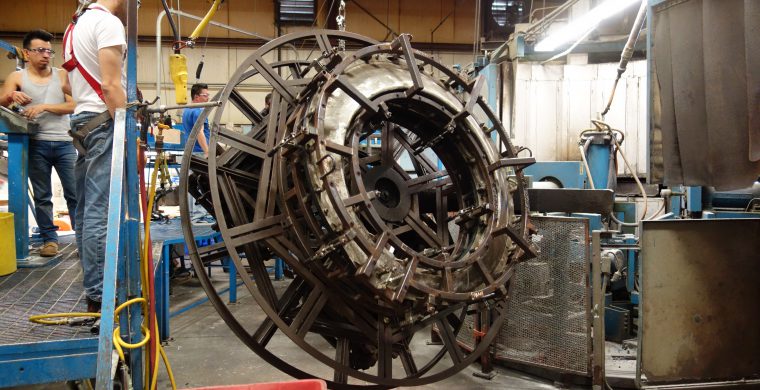
Rotational molding, or rotomolding, has long been valued for its ability to produce durable, hollow plastic parts with uniform wall thickness and seamless construction. As industries continue to demand higher performance, greater efficiency, and more sustainable solutions, innovations in Rotomolding technology are accelerating, transforming the manufacturing landscape and expanding the possibilities of this versatile process.
Advanced Materials Enhancing Performance
One of the most significant drivers of innovation in rotomolding is the development of advanced materials. Traditional polyethylene remains a staple, but new formulations and composite blends are being introduced to improve strength, chemical resistance, and environmental sustainability. Bio-based polymers and recycled materials are gaining traction, enabling manufacturers to reduce the environmental footprint of their products without sacrificing quality. Additionally, these new materials are often engineered to provide better UV stability and impact resistance, extending product life in demanding applications.
Automation and Digital Integration
Automation is revolutionizing the rotomolding process by increasing precision and repeatability while reducing labor costs. Modern rotomolding machines now incorporate robotic arms for automated mold handling, loading, and unloading, which improves cycle times and enhances workplace safety. Coupled with advanced sensors and control systems, these machines provide real-time monitoring of temperature, rotation speed, and cycle duration, ensuring consistent product quality.
Digital technologies such as the Industrial Internet of Things (IIoT) and machine learning are further optimizing production by analyzing data trends to predict maintenance needs and fine-tune process parameters. This level of integration minimizes downtime and maximizes throughput, allowing manufacturers to meet growing demand efficiently.
Innovative Mold Design and Tooling
Innovations in mold design are enabling more complex geometries and multi-layer constructions. The use of computer-aided design (CAD) and simulation software allows engineers to optimize mold shapes and rotation patterns before production begins, reducing trial-and-error and material waste. Multi-chamber molds facilitate the creation of products with varied wall thicknesses or different material layers, enhancing functionality such as improved insulation or chemical resistance.
Sustainability Initiatives
As sustainability becomes a priority, rotomolding technology is evolving to support greener manufacturing. Energy-efficient ovens and improved insulation reduce the energy consumption of heating cycles. Moreover, processes that enable the use of recycled resins or bioplastics promote circular economy principles. Manufacturers are also exploring lightweight designs that reduce raw material use and transportation costs.
Conclusion
The future of rotomolding technology is shaped by continuous innovation in materials, automation, design, and sustainability. These advancements not only improve product performance and production efficiency but also align with global demands for environmentally responsible manufacturing. By embracing these innovations, manufacturers can unlock new applications and remain competitive in an ever-evolving marketplace.