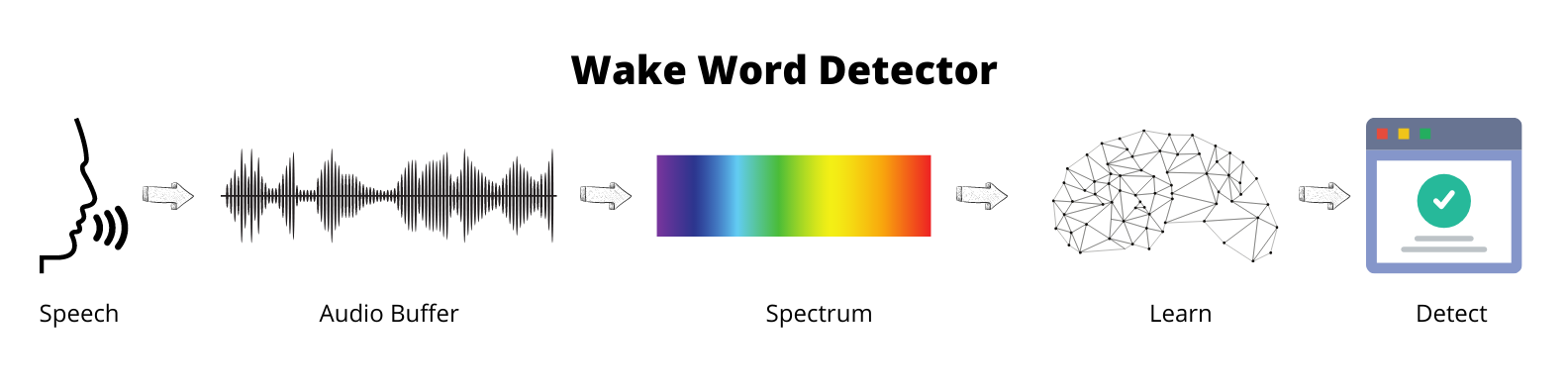
In the evolving world of smart devices, wake word technology has become a central element of voice-enabled systems. This innovative feature allows users to activate digital assistants and devices hands-free, using only a predetermined voice command — often referred to as the “wake word
A wake word is a short, easily spoken phrase that triggers a device to start listening and processing further commands. Common examples include generic prompts like “Hey Assistant” or “Hello Device.” Once the system hears the correct wake word, it activates the microphone, listens to what the user says next, and responds accordingly.
The technology behind wake word detection involves always-on listening—but not in the way people might think. The system runs a lightweight model locally on the device that only listens for that specific wake word. Until the wake word is detected, the system does not actively record or process other speech. This approach is both energy-efficient and helps protect user privacy.
Wake word technology leverages advanced speech recognition algorithms, often powered by machine learning. These systems are trained to recognize variations in pronunciation, accent, and tone while ignoring background noise. The goal is to ensure the wake word is detected quickly and accurately, even in a noisy environment or from a distance.
One of the key advantages of wake word systems is hands-free convenience. Whether you’re cooking, driving, or relaxing, simply saying the wake word gives you instant access to control music, get weather updates, manage your smart home, or ask a question — all without touching a button.
In addition to convenience, modern wake word technology is increasingly being designed with security in mind. Voice matching features can restrict access to certain users, and local processing ensures that data is not transmitted unless the wake word is detected, providing an extra layer of privacy.
As voice interaction continues to shape the future of technology, wake word detection remains a critical building block. It allows for a seamless, intuitive user experience while balancing the demands of efficiency, privacy, and personalization. The future will likely bring more custom wake words, multilingual support, and deeper integration with AI — all aimed at making voice interaction more natural and secure.